Table of Contents
- What Separates the Best Veteran Owned Clothing Brands From the Rest
- How to Verify a Veteran-Owned Business Before You Spend
- Veteran-Owned Apparel Brands: What the Category Actually Includes
- Veteran-Owned Graphic Tees: Fit, Fabric, and Print Durability
- Veteran-Owned Athletic Wear: Performance Claims vs. Reality
- Where Veteran-Owned Clothing Brands Get It Wrong
- Conclusion: Build a Wardrobe That Matches Your Values
- Frequently Asked Questions
Last Updated: October 5, 2026
What Separates the Best Veteran Owned Clothing Brands From the Rest
The best veteran owned clothing brands are defined by three things: a verifiable founder story, product quality that holds up past the first wash, and a mission that outlasts the marketing cycle.
That growth has a downside: as more shoppers seek out veteran-owned apparel, more labels claim the title without proof.
Below, we break down the criteria that predict a good purchase, show you how to verify ownership before you spend, and explain what the category really includes.
How to Verify a Veteran-Owned Business Before You Spend
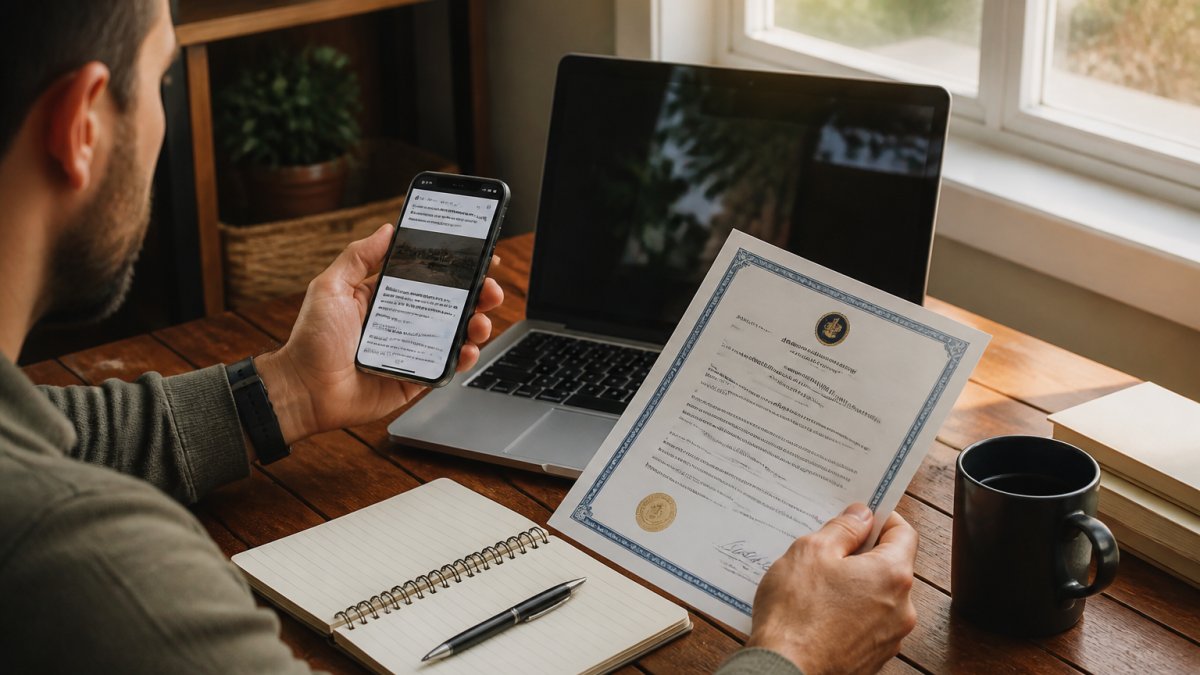
Verification starts with documentation, not testimonials. A legitimate veteran-owned business can point to a specific person, a service history, and often a certification or registry listing.
Certifications and Databases That Confirm Veteran Ownership
The most reliable path is checking whether a business appears in a recognized veteran business database or holds a certification from a veteran business organization. The SBA's veteran-owned business resources explains how veteran-owned small businesses are defined and what federal contracting programs recognize that status. For consumer purposes, the practical test is simpler: does the company name a real founder, describe their service branch and role, and explain how that service shaped the product?
A few things worth checking before you buy:
- A named founder with a documented service background
- Membership in a veteran business association or certification program
- A stated charitable or community commitment you can verify independently
Veteran-Owned Apparel Brands: What the Category Actually Includes
Veteran-owned apparel spans far more than camo and tactical gear: graphic tees, hoodies, lifestyle clothing, athletic wear, polos, hats, and hunting gear.
What most roundups skip is what actually determines whether a purchase works out: where the garment is made, where the fabric comes from, and how the brand handles sizing. Those three variables separate a shirt you keep from one you donate.
Made in the United States vs. Assembled Here vs. Imported
"American-made" is one of the most loosely used phrases in this category. Under Federal Trade Commission guidance, an unqualified "Made in USA" claim generally means all or virtually all significant parts and processing are domestic (the FTC).
That distinction matters when you are comparing two shirts at similar prices. A few patterns worth knowing:
- Cut-and-sew domestic production, the fabric is knit, dyed, cut, and sewn domestically. Highest cost, tightest quality control, smallest size runs.
- Domestic printing on imported blanks, common for graphic tees. The design work and fulfillment are domestic; the garment itself is not.
- Fully imported, lowest cost, widest size range, least transparency about labor and materials.
If a brand does not state which applies, that silence is itself information. A short email to customer service usually gets a straight answer, and tells you how seriously the company treats sourcing.
Sizing Ranges and Fit Reality
Veteran-owned brands tend to run smaller operations than national labels, which means narrower size runs: often unisex small through 2XL or 3XL, with extended sizes on select designs only.
Before ordering, check three things:
- Whether the size chart lists garment measurements (chest, body length, sleeve) or only body measurements. Garment measurements are more useful when you cannot try the item on.
- Whether the brand sells the same design in multiple fits. If it does, the fit notes usually explain the difference.
- Whether reviews mention shrinkage. Cotton tees that are not pre-shrunk can lose a meaningful amount of length after the first hot wash.
For adaptive or accessible apparel, magnetic closures, seated-fit cuts, sensory-friendly seams, the veteran-owned segment is still thin. A handful of brands address it, most do not, and no major roundup tracks it.
Price Bands You Should Expect
Domestic production and small batch runs push prices above mass-market equivalents. Typical veteran-owned apparel ranges:
| Category | Common Price Band | What Drives the Price |
|---|---|---|
| Graphic tees | $25-$40 | Blank quality, print method, batch size |
| Hoodies and sweatshirts | $50-$85 | Fabric weight, domestic sewing |
| Polos | $40-$70 | Fabric blend, embroidery vs. print |
| Hats and accessories | $20-$35 | Material, patch vs. embroidery |
| Athletic wear | $35-$75 | Fabric technology, seam construction |
Prices at the top of these bands are not automatically better. They usually reflect domestic labor and smaller runs, a real cost, but a different thing from better fabric.
Shipping and Returns
Small veteran-owned brands often ship from a single facility, so handling takes longer than at a national retailer. Made-to-order models can add several business days before an item leaves the warehouse.
Read the return policy before you buy, not after. Two questions matter most: does the brand cover return shipping on exchanges, and are sale items final sale? Those answers change the real cost of trying a new brand by $8 to $15 per order.
Veteran-Owned Graphic Tees: Fit, Fabric, and Print Durability
A graphic tee lives or dies on three variables: the blank it is printed on, the ink process, and the print placement. Most disappointing tees fail on the blank, not the design.
Print durability depends on the method. Screen printing generally outlasts direct-to-garment printing on dark fabrics, though DTG has improved considerably.
Fit also varies wildly across veteran-owned brands: some cut boxy, others run slim.
| Feature | What to Look For | Why It Matters |
|---|---|---|
| Fabric weight | Mid to heavy cotton | Resists shrinking and thinning |
| Print method | Screen print or quality DTG | Longer design life |
| Print placement | Clear of seams and stretch zones | Prevents cracking |
| Fit | Detailed size chart plus fit reviews | Fewer returns |
| Sizing range | Inclusive sizing offered | Better chance of a true fit |
Veteran-Owned Athletic Wear: Performance Claims vs. Reality
Athletic wear is where marketing outruns reality most often. Moisture-wicking, four-way stretch, and anti-odor claims are common, but performance depends on fabric blend and construction, not the label. Here is how to read the specs instead of the slogan.
Fabric Composition: What Each Blend Actually Does
Most performance tops fall into a few recognizable blends, and each has a trade-off:
- 100% polyester, fast drying, strong moisture movement, but holds odor over time because oil-based soils bind to the fiber. Best for high-sweat training, worst for repeated wear between washes.
- Polyester-spandex (typically 85-90% poly, 10-15% spandex), adds four-way stretch and shape recovery. The spandex percentage is the tell: below about 8%, the garment stretches but does not snap back, and knees or elbows bag out.
- Nylon-spandex, smoother hand feel and better abrasion resistance than polyester, which matters for leggings and training shorts. Usually more expensive.
If a product page lists only "performance fabric" without percentages, that is a gap, not a feature. Reputable makers publish the blend because it is the most useful spec a buyer can see.
Construction Details That Predict Durability
Fabric gets the attention; construction determines whether the garment survives a season.
- Flatlock seams, flat, low-bulk stitching used on athletic wear to reduce chafing. Look for them on inner thighs, shoulders, and underarms.
- Gusseted crotch, an extra fabric panel that allows range of motion and prevents seam failure in shorts and leggings. Common in quality training bottoms, absent in cheap ones.
- Bonded vs. sewn hems, bonded hems look clean but can delaminate after repeated washing and drying. Sewn hems are less sleek and more durable.
Anti-Odor and Moisture Claims: What They Really Mean
"Anti-odor" usually means a chemical finish applied to the fabric or a silver-based treatment woven into the fiber. Chemical finishes wash out within 20 to 30 washes; silver treatments last longer but add cost and are sometimes listed only in fine print.
The most reliable odor control is still mechanical: wick sweat away and let the garment dry. A thin, fast-drying polyester outperforms a thick, treated cotton blend every time, regardless of the tag.
Care Instructions as a Quality Signal
A brand that publishes specific care instructions, cold wash, tumble dry low, no fabric softener, is telling you it tested the garment. Fabric softener coats performance fibers and blocks moisture movement, which is why most athletic brands warn against it. No care guidance at all suggests the fabric was never stress-tested.
How to Compare Two Athletic Pieces Side by Side
When you are deciding between two veteran-owned options, run the same five checks on each:
- Fabric blend with percentages listed
- Fabric weight in GSM, if published
- Seam type at high-stress points (flatlock, gusseted)
- Care instructions present and specific
- Reviews that mention fit, pilling, and shrinkage after washing, not just design
The brand that answers more of these is the better buy, even if it costs a few dollars more. The brand that answers none of them is asking you to trust the label instead of the garment.
Where Veteran-Owned Clothing Brands Get It Wrong
The most common mistake is leading with the veteran label and treating product quality as an afterthought. Buyers notice. A shirt that fades after three washes does not get a pass because the founder served.
The second mistake is vague giving. "A portion of proceeds supports veterans" means nothing without a named partner and a clear commitment. Charity Navigator's accountability guidance makes the point well: donors and buyers should be able to confirm where money goes.
The third mistake is leaning on nostalgia alone. Design that only references a decade or subculture dates quickly; design rooted in a real story lasts, because the meaning does not expire.
Conclusion: Build a Wardrobe That Matches Your Values
Choosing veteran owned clothing deserves more scrutiny than a quick scroll. Verify the founder, read the fabric specs, and check whether the mission holds up when you look closely. That is the standard we hold ourselves to at SeayMy T.Tee's, where every design starts with a real story and a portion of our work supports sarcoidosis awareness through our partnership with the Autoimmune Association.
Frequently Asked Questions
How can I tell if a clothing brand is actually veteran-owned?
Check the brand's About page for a named founder with a branch and service period, then cross-reference that name against public records like state business registrations or veteran-owned business certifications. Some brands display a certified veteran-owned business seal through third-party programs. If a brand claims veteran ownership but never names the founder or shows any verifiable detail, treat that claim as unconfirmed until you find independent evidence.
What should I look for when buying from a veteran-owned clothing brand?
Start with the founder's story and whether it connects to the designs you're buying. Then check manufacturing disclosures: where the blanks are made, where printing happens, and what materials are used. Review the return policy and sizing chart carefully, especially for graphic tees and athletic wear where fit varies widely. Finally, look for independent customer reviews, not just testimonials posted on the brand's own site.
Are there veteran-owned brands that donate to military or health-related causes?
Yes, some veteran-owned clothing brands commit a portion of sales to causes like military family support, medical research, or autoimmune disease awareness. The key is asking for specifics: which organization, what percentage, and whether the brand provides documentation. A brand that names its nonprofit partner and explains the donation structure is more credible than one that only says 'a portion goes to charity.'
What kinds of clothing do veteran-owned brands sell?
Most veteran-owned apparel brands cover graphic tees, hoodies, hats, and polos, with some expanding into athletic wear like leggings, joggers, and performance tops. Hunting gear and outdoor apparel are also common in this category. The range matters because a brand that does two or three product types well often delivers better quality than one that tries to cover everything at once.
Choosing well takes a little effort, but it pays off every time you get dressed. If you want apparel that tells a real story and supports a real cause, SeayMy T.Tee's is built for exactly that. Explore our story-driven graphic tees, our made-to-order production, and our partnership with the Autoimmune Association, then find the piece that speaks to what you carry.